

Postpartum Recovery Tips To Help You Feel Like You Again
There’s nothing better than bringing your newborn home. But that doesn’t mean it’s not exhausting, both mentally and physically. Your hormones have changed drastically since you got pregnant, and now that you’ve given birth, the changes are even more significant.
Immediately after giving birth, estrogen and progesterone drop dramatically while prolactin and oxytocin increase. Not to mention the endorphins that are released while giving birth. Your body has gone through some of the biggest changes it’s ever going to go through, and it’s extremely common not to feel like yourself.
That’s why we put together this list of postpartum recovery tips to help you feel more like yourself after giving your everything to your new baby.
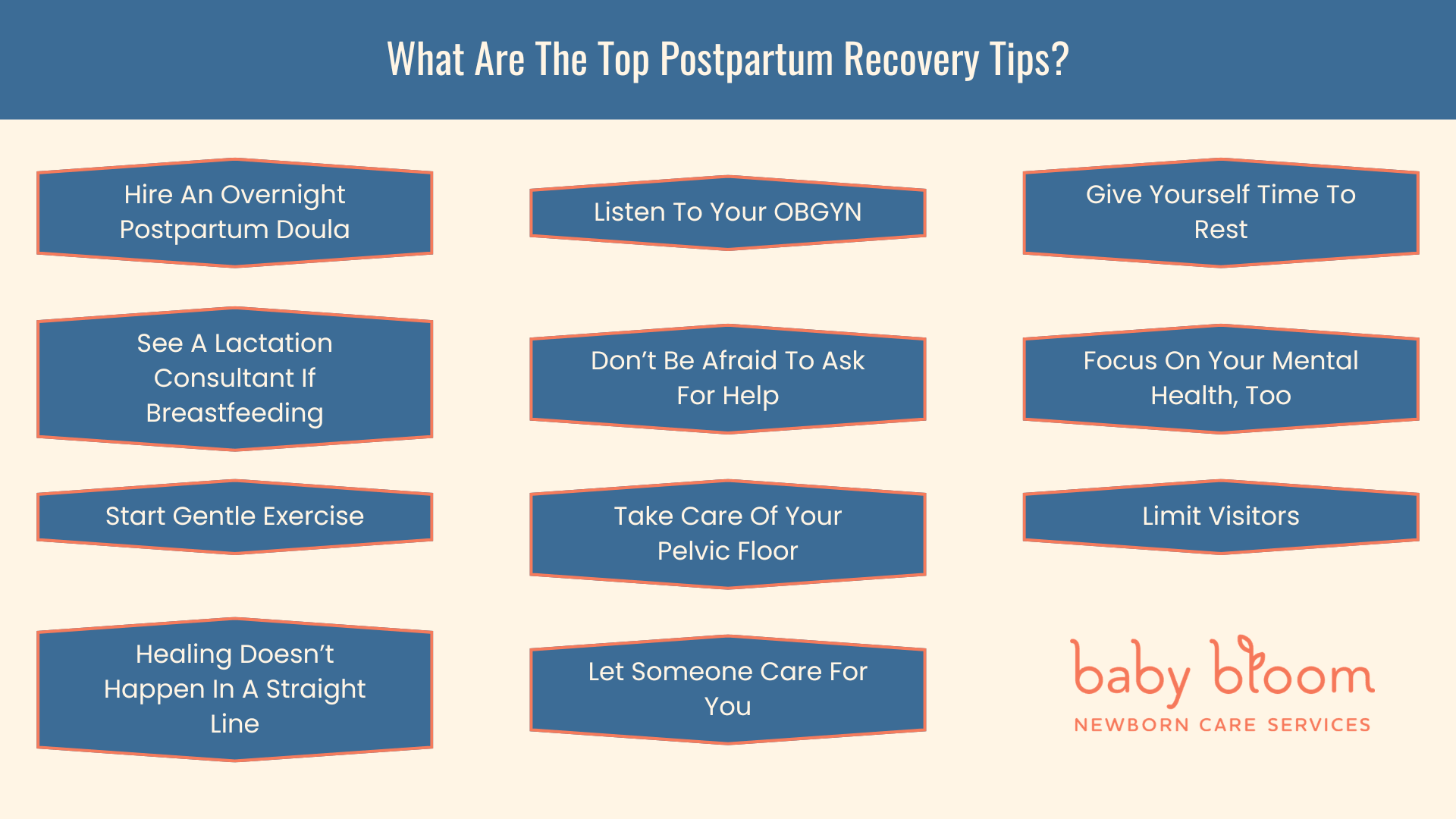
What Are The Top Postpartum Recovery Tips?
First, you need to know that you’re not going to immediately feel like your pre-pregnant self again. It takes so much time for your body to heal after giving birth, and it’s extremely important to take care of yourself and give yourself grace during this time.
So, let’s get into the postpartum tips that’ll help you adjust to your new routine, while still focusing on yourself.
1. Hire An Overnight Postpartum Doula
There’s probably nothing better you can do for yourself than give yourself time to heal. That’s where an overnight postpartum doula comes in.
We’re here to help you get the rest you deserve while making sure your newborn gets the care they need. Our postpartum doulas come at night to help care for your baby while you take a break and sleep, so you can feel ready to do everything they need during the day.
Even with the best support system in place, every new mother can benefit from an overnight postpartum doula. There are so many benefits to hiring a postpartum doula; you’ll be surprised by just how much they help.
Plus, in Rhode Island, you can even get this necessary postpartum care covered by your insurance.
2. Listen To Your OBGYN
Your doctor will give you recovery recommendations, and it’s very important that you listen to them. Some postpartum recovery tips your doctor may give you could be:
Limit how much you lift
Drink plenty of fluids
Sleep as often as you can
Eat nutritious meals to support your healing
Take your stool softeners
Contact your doctor immediately if you experience:
Excessive bleeding (soaking through a pad in an hour or clots bigger than an egg)
Signs of any infection (this goes for both vaginal and C-section births)
Severe mood swings, extreme anxiety, intrusive thoughts
You’re not alone, and your doctors are an excellent resource for your recovery.
3. Give Yourself Time To Rest
You can’t do it all after giving birth, and you shouldn’t be expected to. We know everyone says to sleep when the baby sleeps, and while it’s easier said than done, it’s important to at least try.
You may be tempted to clean the house or make a meal while your baby sleeps, but it’s important for you to get rest, too. Rely on your family to help around the house while you rest. If you don’t have family close, it might be a good idea to hire a postpartum doula so you can get the rest you deserve to heal.
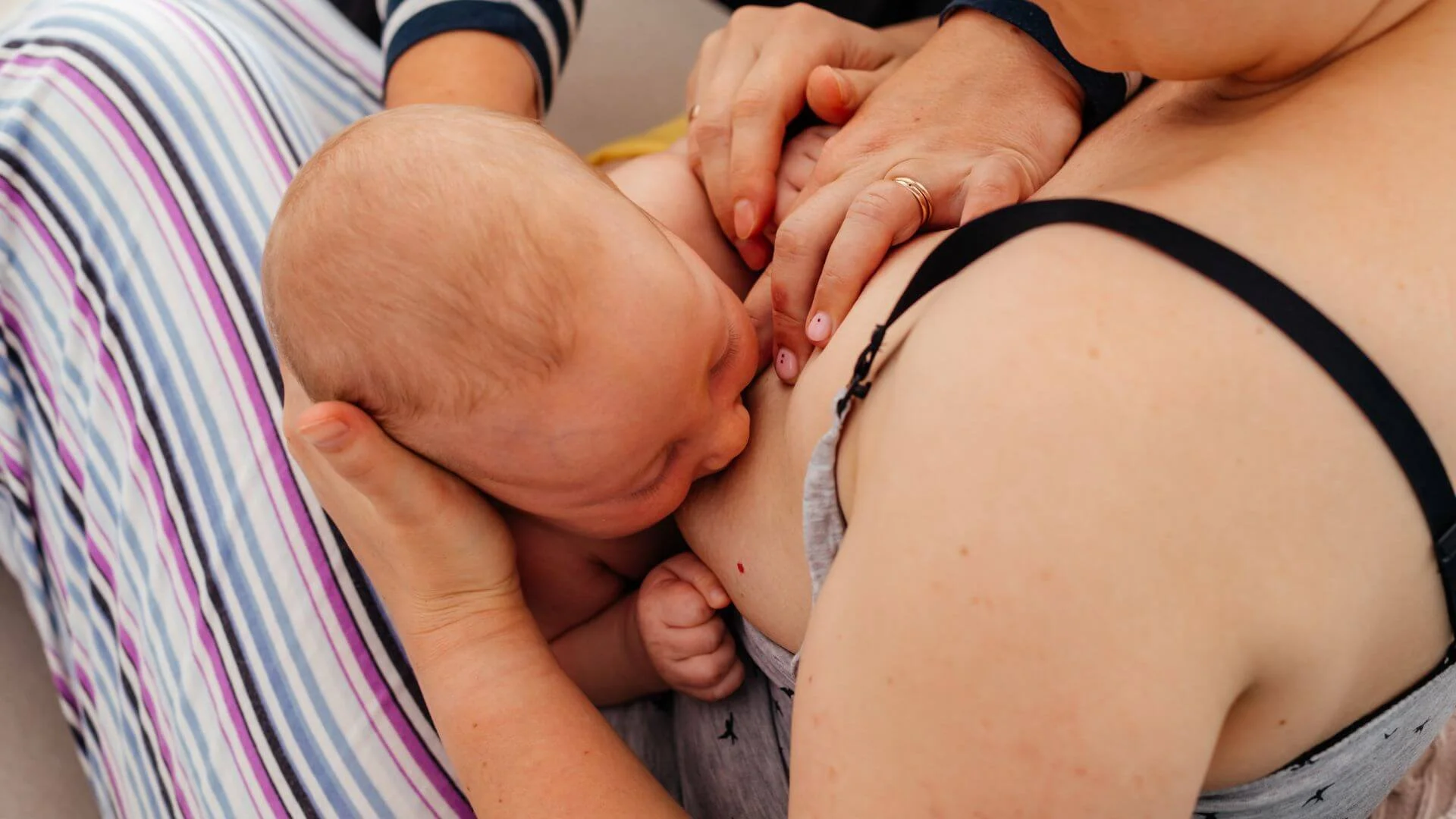
4. See A Lactation Consultant If Breastfeeding
There’s nothing more stressful than having issues feeding your newborn. If you don’t feel like they’re eating well, it can severely affect your healing process.
That’s why, if you’re planning to breastfeed, you should see a lactation consultant as soon as you can after birth. You may have seen a consultant in the hospital while recovering, but we recommend seeking one out after you leave the hospital, especially if you’re having trouble with breastfeeding.
Breastfeeding shouldn’t hurt, and you shouldn’t be bleeding. While the initial latch can be painful, as your baby continues to eat, you shouldn’t be in pain. If you are, a lactation consultant can help you with different holds and help your baby learn to latch and eat properly.
5. Don’t Be Afraid To Ask For Help
You’re not meant to care for and raise a baby on your own. Ask for help from your family and friends; you may be surprised at just how willing they are to help you.
If it’s still not enough, don’t be ashamed to hire help, either. It could be more affordable than you think, too, since in Rhode Island, postpartum care could be covered by insurance.
6. Focus On Your Mental Health, Too
With the intense change in hormones, increased workload, and all the stress that comes with having a newborn, you can’t forget to take care of your mental health just like you would your physical health.
Understand the difference between the baby blues and depression, and learn when it’s time to seek external help. Reaching out for help doesn’t make you a bad mom or person. It’s very common to have mental health struggles after birth, and you don’t need to face those struggles alone.
7. Start Gentle Exercise
Once you’re cleared by your doctor, start doing regular, gentle exercise. Even something as simple as going for a walk with your baby can help you start to feel like yourself again.
It’s important to understand you’re not going to ‘bounce back’ immediately after birth. Even if you could walk miles while pregnant, after giving birth, you’re going to need to give your body time to return to normal. If you feel winded, sore, or lightheaded as you start to move around, stop and take a break.
You don’t want to push yourself and end up getting hurt.
8. Take Care Of Your Pelvic Floor
Your pelvic floor has been through a lot. Once you’re a little more healed, you can start with some gentle pelvic floor exercises, such as Kegels. Don’t start anything like this until you’re cleared by your doctor.
If you’re having issues with your pelvic floor, it could be a good idea to reach out to a pelvic floor specialist.
9. Limit Visitors
Everyone loves newborns, and it’s not surprising that everyone might be excited to come over to meet your new baby. Don’t be afraid to set boundaries and limit visits.
If you are going to let people come over, don’t worry about the state of your home, either. Spend time on recovery and caring for your newborn before you vacuum and mop your entire home.
Your visitors should understand, and hopefully, even help you care for your home so you can focus on yourself and your newborn.
10. Healing Doesn’t Happen In A Straight Line
Some days you’re going to feel amazing. Others, you’ll find it hard to even leave the bed. That’s okay. Don’t get down on yourself if you’re not always feeling amazing.
Understand that healing looks different for everyone, and give yourself the time and space to heal fully.

11. Let Someone Care For You
A lot of mothers feel like they have to do it all. We’re here to tell you that you don’t have to.
Whether it’s letting your family clean your home, having your partner take the baby out so you get a break, or hiring a doula to care for your newborn while you sleep, you should let others help you.
Get The Postpartum Care You Deserve
These are just a few of the postpartum recovery tips we have for new mothers, but there’s so much more you can do to help yourself recover.
By hiring a postpartum doula, you’re setting yourself up for a successful recovery, and you absolutely deserve that. Your body’s gone through a lot, and you deserve to feel supported.
If you’re considering a postpartum doula, reach out to us today for a free consultation and let us see how we can help you. Remember: You were never meant to do this alone, and you don’t have to.
FAQs about Postpartum Recovery
What helps you recover faster after giving birth?
There’s no secret to healing fast after giving birth. However, by prioritizing rest, staying hydrated, and eating well, you’ll be on the right track to healing.
What is the 5-5-5 rule for postpartum?
This is the idea that, after giving birth, you should spend 5 days in bed, 5 days on top of your bed, and 5 days near your bed so you can prioritize your healing process.
What should you not do after giving birth?
Don’t lift anything too heavy, push yourself physically, and don’t use tampons or anything internal to catch bleeding until cleared by your doctor (typically at your 6-week appointment).
What are the stages of postpartum recovery?
The stage after giving birth is often considered the fourth trimester. You can expect up to 12 weeks of profound physical and emotional changes. Your uterus is shrinking, you have an open wound in your uterus, and you may have torn during birth, or have a C-section wound to care for.
Take care of yourself during this time for a smooth recovery process.